SkinPen vs. “Regular” Microneedling: Is There Really a Difference?
If you’ve been researching ways to improve your skin without surgery or significant downtime, you’ve probably come across SkinPen Microneedling. You may also be wondering whether SkinPen is actually different from other microneedling devices — or if it’s simply another brand name attached to the same treatment.
The reality is that the device being used can absolutely influence your experience and results. While many treatments fall under the category of Collagen Induction Therapy, SkinPen is specifically designed to create precise, controlled Micro-injuries that support collagen production, Skin remodeling, and overall skin rejuvenation with consistency and safety in mind.
SkinPen Microneedling and How It Differs From Standard Microneedling

At its core, Microneedling works by creating tiny micro-injuries in the skin. These controlled punctures trigger your body’s natural repair process, leading to Skin remodeling, collagen formation, and Elastin production.
SkinPen Microneedling is a specific FDA-cleared device designed to perform this process with precision and consistency. “Regular” microneedling, on the other hand, can refer to a wide range of devices with varying needle quality, depth control, and safety standards.
That distinction matters more than many people realize.
With SkinPen, the treatment is carefully engineered to create uniform microchannels in the skin. This promotes a more predictable controlled healing response and reduces the likelihood of uneven results.
Some lower-quality devices may not penetrate the skin evenly. Others may drag or scratch the skin instead of creating clean vertical channels. That can potentially affect healing and overall Skin rejuvenation.
How Collagen Induction Therapy Creates Skin Remodeling
Collagen Induction Therapy sounds complicated, but the concept is actually pretty straightforward. Your skin responds to controlled injury by repairing itself.
When the tiny needles penetrate the skin, they stimulate Fibroblast activity. Fibroblasts are the cells responsible for producing collagen and elastin, which are essential for smooth, firm, youthful-looking skin.
Over time, this process helps improve:
Skin texture improvement
Fine line reduction
Acne scar reduction
Uneven skin tone
Enlarged pores
Mild skin laxity
Sun damage
Overall skin quality
Unlike more aggressive resurfacing treatments, SkinPen Microneedling supports gradual improvement through your body’s natural healing mechanisms.
That’s one reason many people view it as a minimally invasive facial treatment with relatively little downtime.
Why Controlled Micro-injuries Matter in Microneedling
The goal of Microneedling is not to damage the skin randomly. The treatment works best when the skin receives precise, controlled stimulation. This is where device quality becomes important.
SkinPen is designed to create clean, vertical punctures at adjustable depths. That consistency supports a more reliable controlled healing response and minimizes unnecessary trauma to surrounding tissue.
With less precise devices, several issues can occur:
Uneven needle penetration
Skin dragging or tearing
Increased redness or irritation
Inconsistent collagen stimulation
Greater discomfort during treatment
A properly performed treatment should encourage skin remodeling without excessively inflaming the skin.
That balance is one reason SkinPen Microneedling has become popular for patients seeking natural-looking Skin rejuvenation.
SkinPen Microneedling for Acne Scar Reduction and Fine Line Reduction
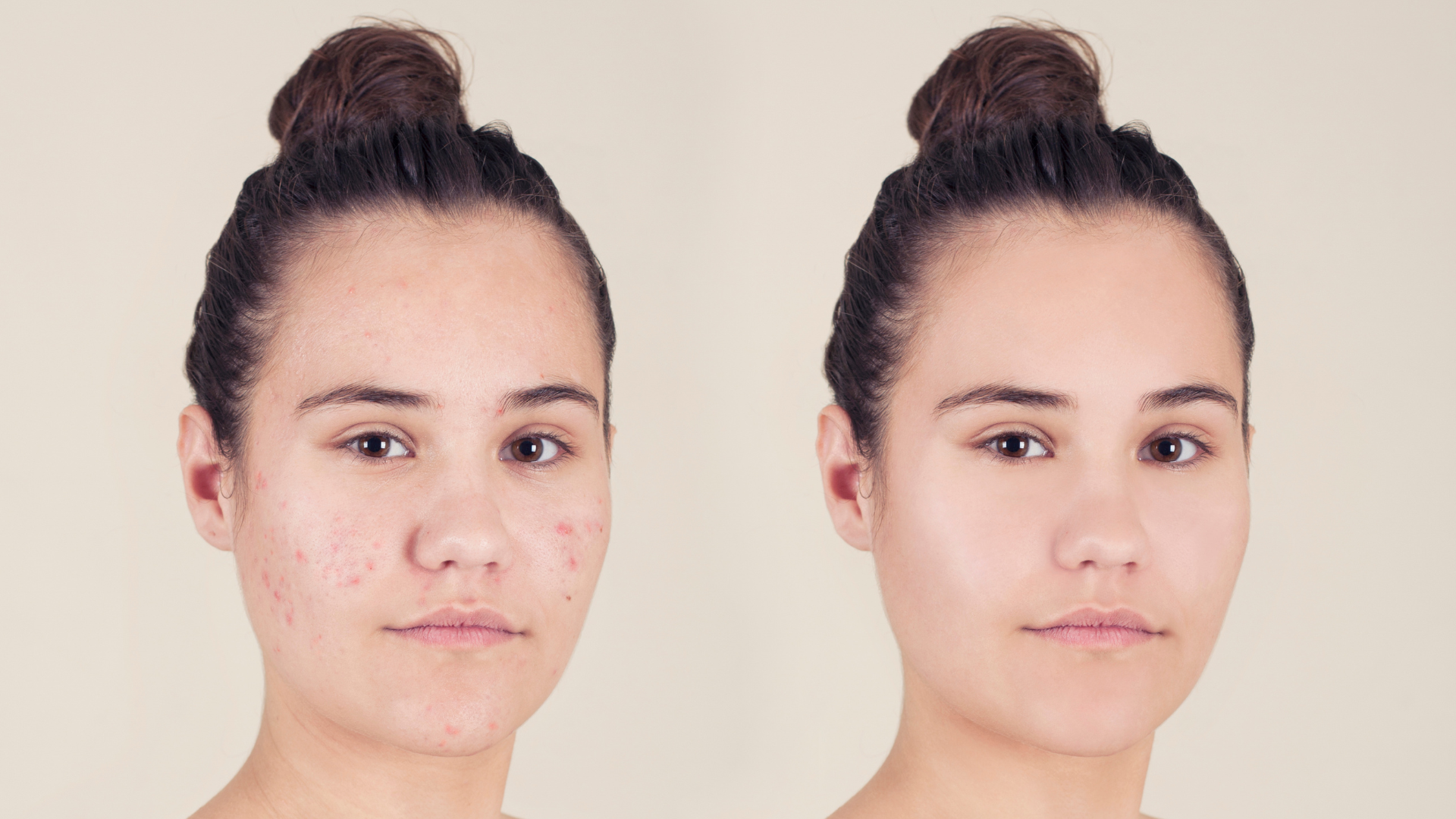
One of the biggest reasons people pursue microneedling is acne scar reduction.
Acne scars often develop because the skin’s deeper support structures were damaged during inflammation. SkinPen helps stimulate new collagen beneath the surface, gradually softening the appearance of scars over time.
Results are not instant, though.
Most patients notice progressive improvement after multiple sessions as collagen continues developing. The skin may appear smoother, firmer, and more even several weeks after treatment.
In addition to Acne scar reduction, SkinPen microneedling is frequently used for:
Fine line reduction
Crepey skin
Mild wrinkles
Skin texture improvement
Stretch marks
Early signs of aging
Dull or tired-looking skin
Because the treatment stimulates Elastin production as well as collagen formation, many patients notice that their skin looks healthier overall rather than artificially altered.
Hyperpigmentation Treatment and Skin Texture Improvement
Another major benefit of SkinPen microneedling is its ability to improve uneven pigmentation and rough skin texture for all skin types and tones.
As the skin heals, cell turnover increases. This process can help gradually fade areas of discoloration while improving overall tone and clarity.
For many patients, microneedling can support hyperpigmentation treatment caused by:
Sun exposure
Acne marks
Post-inflammatory pigmentation
Mild melasma
Uneven skin tone
At the same time, the controlled healing response helps refine rough or uneven texture.
Patients often describe their skin as looking brighter, smoother, and healthier after a series of treatments.
One reason SkinPen stands out is that it’s considered safe for a wider range of skin tones compared to some laser treatments that carry higher pigmentation risks.
Fibroblast Activity and Elastin Production: Why Results Continue Over Time
One of the most interesting aspects of collagen induction therapy is that improvements continue developing after your appointment.
Immediately after treatment, your skin begins its repair process. fibroblast activity increases, triggering collagen synthesis and Elastin production beneath the surface.
This gradual remodeling process takes time.
You may notice early radiance within the first week, but deeper improvements often continue for several months as new collagen forms.
That’s why multiple sessions are commonly recommended for optimal skin rejuvenation.
The long-term benefits may include:
Firmer skin appearance
Smoother texture
Improved elasticity
Reduced visibility of scars
Better skin tone consistency
Softer fine lines
Healthier overall complexion
Unlike treatments that simply exfoliate the surface, SkinPen microneedling works deeper within the skin’s structure.
Is SkinPen a Better Minimally Invasive Facial Option?

For many patients, yes.
SkinPen microneedling appeals to people who want noticeable improvement without surgery, significant downtime, or dramatic changes to their appearance.
The treatment is often considered a strong option because it combines:
Minimal recovery time
Natural collagen stimulation
Customizable treatment depth
Safe treatment for multiple skin types
Gradual, realistic-looking results
Most patients experience redness similar to a mild sunburn for a day or two. Some temporary dryness or roughness may occur as the skin heals.
Compared to more aggressive resurfacing procedures, recovery tends to be relatively manageable.
That said, results still depend on factors like skin condition, treatment frequency, and overall skin health.
Does “Regular” Microneedling Deliver the Same Results?
Sometimes — but not always.
The biggest issue is that “regular” microneedling is an extremely broad term. Some clinics use high-quality professional devices, while others may rely on less advanced systems that lack precision and consistency.
That can influence:
Treatment comfort
Needle accuracy
Safety standards
Depth control
Skin response
Overall results
SkinPen’s FDA clearance provides additional reassurance regarding testing and safety standards.
For patients investing in Skin rejuvenation, device quality can absolutely make a difference in the overall experience.
Frequently Asked Questions About SkinPen Microneedling
How is SkinPen Microneedling different from at-home microneedling rollers?
Professional SkinPen microneedling uses medical-grade technology with precise needle depth control. At-home rollers are far less controlled and generally do not create the same level of Collagen Induction Therapy.
Does SkinPen Microneedling hurt?
Most patients tolerate treatment well. A topical numbing cream is typically applied beforehand to improve comfort.
How many treatments are needed for Acne scar reduction?
Many patients benefit from a series of treatments spaced several weeks apart. Deeper acne scars often require multiple sessions for noticeable improvement.
Can Microneedling help with Hyperpigmentation treatment?
Yes, Microneedling may improve certain forms of pigmentation by encouraging cell turnover and Skin remodeling.
How long does it take to see results?
Some patients notice early glow and smoother skin within days, but collagen development continues for weeks to months after treatment.
Is there downtime after SkinPen Microneedling?
Most patients experience redness and mild sensitivity for 24 to 48 hours. Recovery is generally mild compared to more aggressive resurfacing treatments.
Does Microneedling stimulate Elastin production too?
Yes. In addition to collagen formation, Microneedling also supports Elastin production, which contributes to skin firmness and elasticity.
Is SkinPen considered a Minimally invasive facial treatment?
Yes. SkinPen is widely considered a minimally invasive facial procedure because it improves the skin without surgery or extensive downtime.
Dr. Derderian is renowned plastic surgery specialist. We invite you to book a consultationto learn more about SkinPen Microneedling and non-surgical rejuvenation in Dallas TX.