Why Good Filler Is Invisible (and Bad Filler Is Everywhere)
You’ve probably seen both ends of the filler spectrum. On one side, there’s the person who simply looks refreshed, balanced, and well-rested without anyone knowing exactly why. On the other side, there’s the overfilled look that seems impossible to ignore. The truth is, good filler is usually invisible. Bad filler tends to stand out immediately.
Modern dermal filler treatments were never meant to make you look like a different person. The best results quietly restore what time has changed while keeping your natural facial movement and proportions intact. When filler injections are done thoughtfully, people notice that you look healthier, softer, or more awake — not “done.”
That’s one of the reasons non-surgical rejuvenation has become so popular. You can improve facial balance, soften signs of aging, and restore lost volume without dramatically changing the way you look.
Dermal Filler Should Restore, Not Reshape
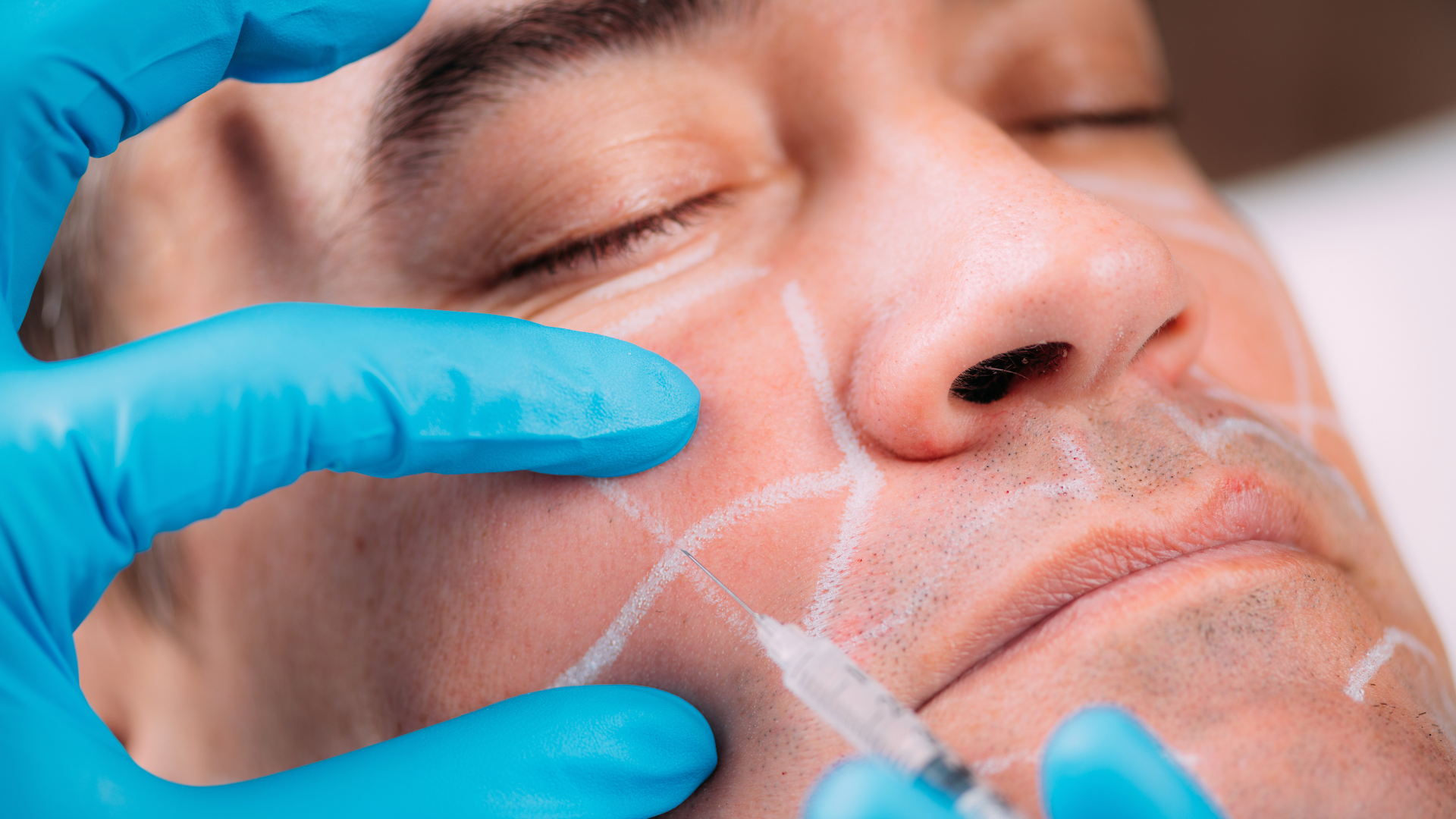
One of the biggest misconceptions about dermal filler is that more filler automatically creates better results. In reality, subtlety is what separates elegant outcomes from obvious ones.
As you age, your face naturally loses collagen, fat, and structural support. This volume loss affects the cheeks, under-eyes, lips, jawline, and lower face. Good filler treatments focus on volume restoration rather than simply adding fullness everywhere.
Instead of creating exaggerated features, filler injections are often used to:
Restore youthful facial proportions
Improve facial symmetry
Soften hollow areas
Support sagging skin
Enhance natural contours
Reduce tired-looking shadows
When done correctly, people usually can’t tell you’ve had anything injected. They simply notice that you look refreshed.
Why Overfilled Faces Happen With Filler Injections
Bad filler is often the result of chasing volume instead of balance. Many people continue adding filler over time without realizing how much product has accumulated beneath the skin.
Another issue is treating the wrong areas. For example, repeatedly adding lip filler without addressing surrounding facial support can throw off overall harmony. The same thing can happen with cheek filler when the cheeks become overly projected or puffy.
An overfilled appearance may include:
Stretched or shiny skin
Limited facial movement
Puffy cheeks
Lips that look stiff or swollen
Distorted facial proportions
Loss of natural definition
Ironically, too much filler can sometimes make you look older instead of younger.
The goal of non-surgical rejuvenation is not to erase every line or create a perfectly smooth face. Natural faces have movement, contours, and expression. Preserving those qualities is what makes filler look believable.
Facial Contouring Works Best When It Looks Natural
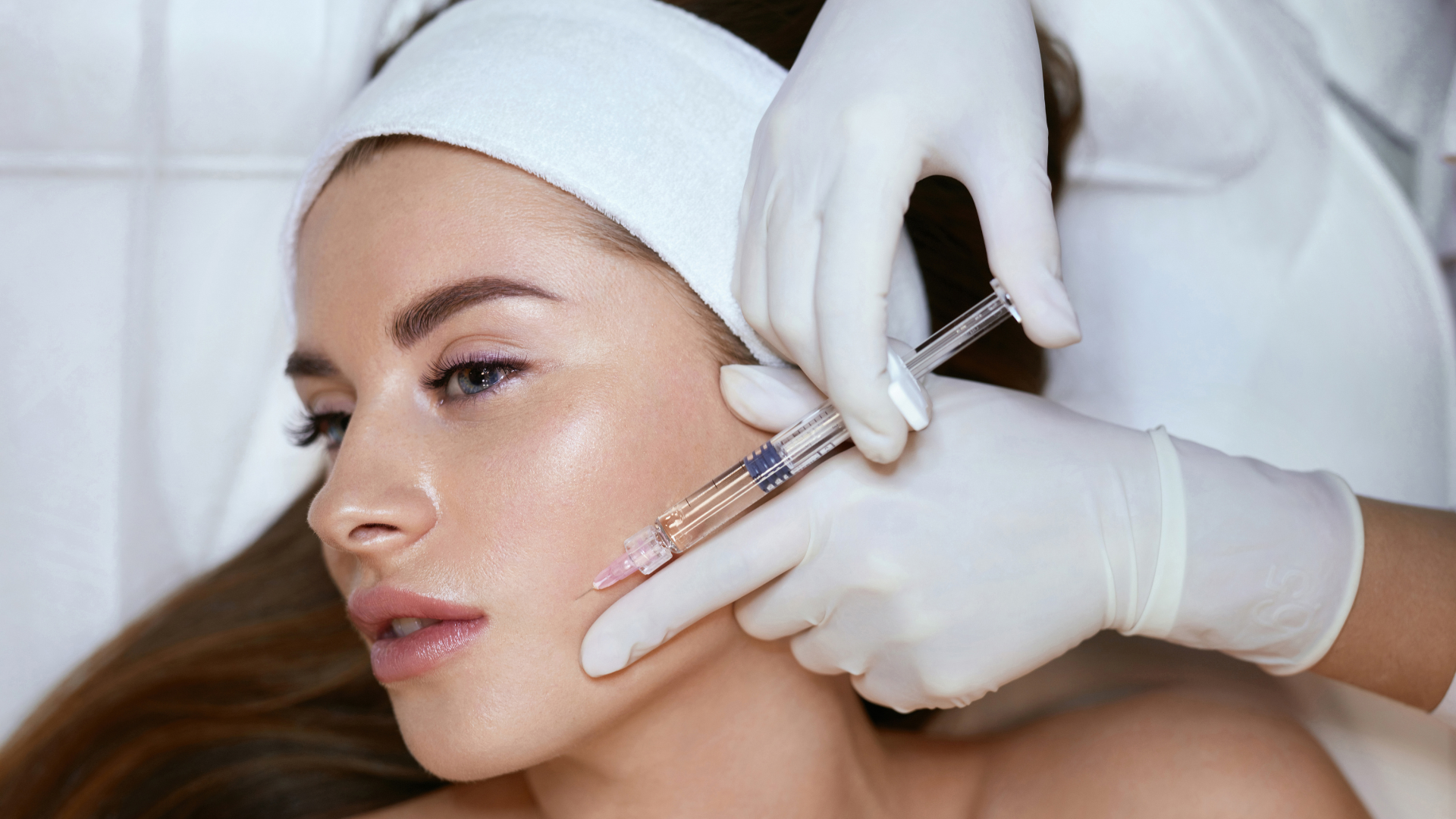
Facial contouring with filler has become increasingly popular because it can subtly enhance definition without surgery.
However, natural-looking contouring requires restraint. Your facial structure needs balance from every angle, not just in photos.
Good facial contouring may involve small amounts of filler in strategic areas such as:
The cheeks for midface support
The jawline for definition
The chin for profile balance
The temples for smoother transitions
The under-eye area for reduced hollowness
The most successful dermal filler results usually involve multiple areas working together in harmony instead of overcorrecting one feature.
You should still look like yourself after treatment — just more rested and refreshed.
Lip Filler Looks Best When It Respects Your Natural Shape
Lip filler is one of the most requested cosmetic treatments today, but it’s also one of the easiest treatments to overdo.
Natural lips have structure, movement, and proportion. Good lip filler enhances what already exists rather than forcing dramatic volume into the lips.
In many cases, subtle hydration and definition create better results than simply making the lips larger.
Natural-looking lip filler often focuses on:
Improving lip symmetry
Restoring age-related volume loss
Enhancing the lip border
Supporting lip hydration
Softening vertical lip lines
Maintaining normal movement
When lip filler is overdone, the lips can start to look stiff, heavy, or disconnected from the rest of the face.
The best lip enhancement usually goes unnoticed because it fits naturally with your facial anatomy.
Cheek Filler and Volume Restoration Go Hand in Hand
Cheek filler plays a major role in facial aging because the midface loses support over time. As cheek volume decreases, the lower face can begin to sag, folds may deepen, and the face may appear tired.
Thoughtful volume restoration in the cheeks can lift and support surrounding areas without creating an exaggerated appearance.
This is where technique matters tremendously. Good cheek filler creates soft structure rather than obvious projection.
Subtle cheek enhancement can help:
Improve midface support
Reduce hollowing
Restore youthful contours
Soften nasolabial folds
Improve facial balance
Create smoother transitions between facial features
When too much filler is placed in the cheeks, the face can become unnaturally wide or overly rounded. That “pillow face” look is often the result of excessive volume accumulation over time.
Natural cheek filler should look effortless, not obvious.
Non-Surgical Rejuvenation Is About Balance
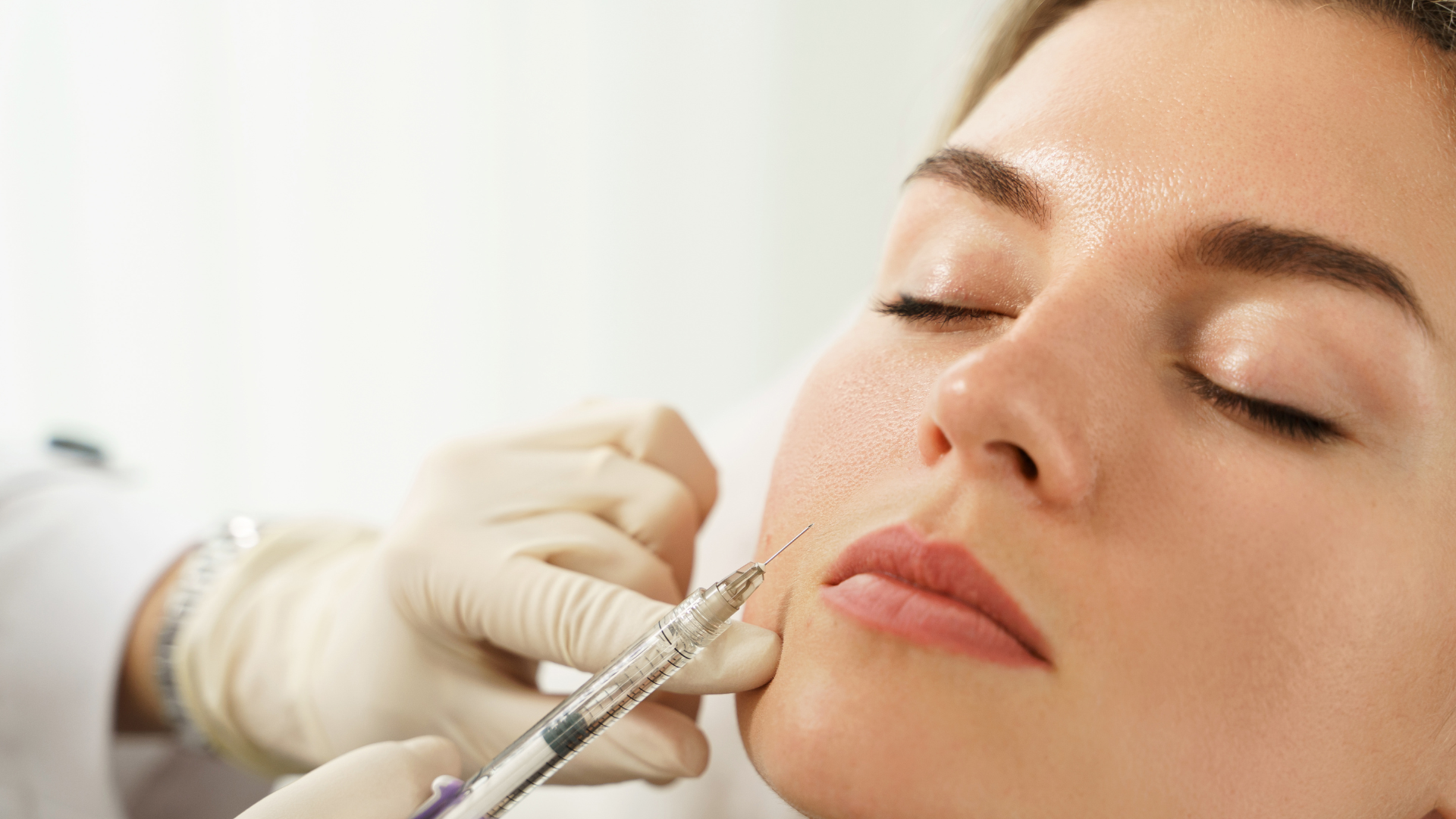
One reason filler treatments sometimes look unnatural is because people focus on isolated features instead of overall facial harmony.
For example, adding more and more filler to smile lines without restoring cheek support often creates heaviness around the mouth. Treating one area while ignoring the surrounding anatomy can lead to imbalance.
Modern non-surgical rejuvenation takes a more comprehensive approach.
Instead of asking, “What line should be filled?” the better question is often, “What structural change caused this area to age?”
That shift in thinking creates softer, more believable outcomes.
Good filler treatments typically prioritize:
Facial proportions
Structural support
Gradual improvement
Skin quality
Natural movement
Long-term balance
The result is a face that still looks expressive and alive.
The Best Dermal Filler Results Age Well
One major advantage of subtle filler is that it tends to age more gracefully over time.
Overfilled features may initially look smooth, but they often become more noticeable as filler settles or facial aging continues. Excess product can also distort natural tissue movement.
Conservative filler injections usually create more sustainable, elegant results because they work with your anatomy rather than against it.
This is especially important in areas like the lips, cheeks, jawline, and under-eyes where small changes can dramatically affect facial balance.
Good filler rarely attracts attention. It quietly supports your features without overpowering them.
That’s why the best cosmetic results are often the ones nobody can immediately identify.
Why Invisible Filler Is the Goal
The rise of social media filters and heavily edited photos has changed how many people view cosmetic treatments. But in real life, natural-looking results almost always age better and appear more attractive.
Invisible filler doesn’t mean invisible improvement. It means your results blend seamlessly with your face.
You still smile naturally. You still look expressive. You still look like yourself.
The difference is that volume restoration, facial contouring, and subtle enhancement help you look refreshed instead of altered.
That’s ultimately what good dermal filler is supposed to do.
Frequently Asked Questions
How long does dermal filler last?
Most dermal filler treatments last between 6 months and 2 years depending on the product used, the treatment area, and your metabolism. Areas with more movement, such as the lips, often break down filler faster.
Can filler injections look completely natural?
Yes. Natural-looking filler injections are designed to restore balance and volume without making your treatment obvious. Subtle placement and conservative amounts are key.
What causes bad filler results?
Bad filler results are often caused by excessive volume, poor placement, repeated overfilling, or treating isolated features without considering overall facial harmony.
Is lip filler supposed to feel hard?
Immediately after treatment, lip filler may feel firm due to swelling. Once healed, properly placed filler should feel soft and natural.
Does cheek filler make your face look wider?
Cheek filler can create an overly wide appearance if too much product is used. Conservative volume restoration typically creates subtle lift and contour instead of excessive fullness.
Can dermal filler be reversed?
Many hyaluronic acid fillers can be dissolved using an enzyme called hyaluronidase if adjustments are needed.
What areas can be treated with facial contouring filler?
Facial contouring filler may be used in the cheeks, jawline, chin, temples, lips, and under-eye area to improve balance and definition.
Is non-surgical rejuvenation better than surgery?
Non-surgical rejuvenation can provide meaningful improvement with minimal downtime, but it does not replace the results of surgical procedures for significant skin laxity or advanced aging.
Dr. Derderian is renowned plastic surgery specialist. We invite you to book a consultation to learn more about dermal filler and non-surgical rejuvenation in Dallas TX.