Considering Ear Pinning Surgery in Dallas? Here’s How the Process Works
If you or your child has prominent ears, ear pinning surgery may be something you are considering. Also called otoplasty, this cosmetic ear surgery reshapes ear cartilage so the ears sit closer to the head. Dr. Derderian offers otoplasty as part of his facial plastic surgery practice in Dallas.
Ear surgery isn’t about changing a person's identity. It’s about correcting protruding ears, large ears, or ear deformities that can draw unwanted attention. When planned carefully, otoplasty results look natural and balanced with the rest of your facial features.
Ear Surgery in Dallas: How Ear Pinning and Otoplasty Work
Ear pinning is a surgical procedure designed to correct prominent or protruding ears. The medical term, otoplasty, refers to reshaping the ear cartilage rather than removing large portions of tissue. This approach preserves a natural ear shape.
During otoplasty surgery, your surgeon focuses on correcting the antihelical fold. This fold gives ears their natural contour, and when it’s weak or absent, ears may stick out. Permanent sutures are used to maintain the new cartilage position.
Dr. Derderian performs ear surgery with attention to symmetry and proportion. The goal is not to make ears look flat, but to position them closer to the head while maintaining natural curves.
Child and Adult Candidates for Otoplasty Surgery
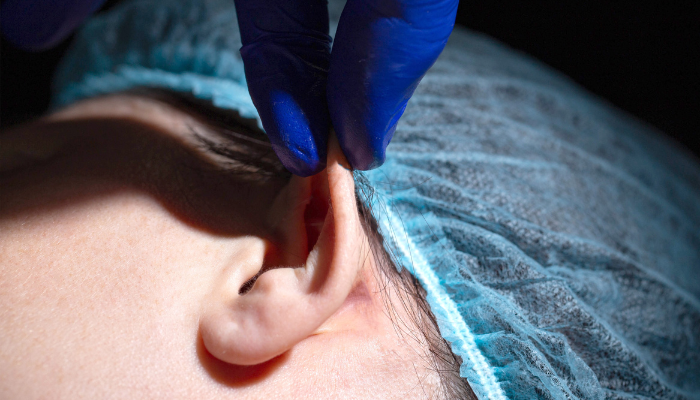
A child with prominent ears may be a good candidate for otoplasty once ear cartilage has matured enough for correction. This typically happens around age five, when ears are close to adult size. Early ear surgery can help reduce teasing and self-consciousness.
Adults also commonly seek cosmetic ear surgery for protruding ears or asymmetry. Many otoplasty patients report feeling more confident once their ears no longer draw attention. A consultation helps determine if you’re a candidate for otoplasty.
Whether you’re considering surgery for yourself or your child, the procedure is customized. Dr. Derderian evaluates ear shape, cartilage strength, and how the ears relate to the head and chin.
What Happens During an Otoplasty Consultation
Your otoplasty consultation is the first step in the surgical process. You’ll talk about what bothers you about your ears and what you hope to achieve. Dr. Derderian examines ear cartilage, earlobe position, and overall head proportions.
During the consultation, you may discuss:• The otoplasty procedure and surgical technique• Expected otoplasty results and limitations• Risks, recovery, and surgery instructions
This visit is also when questions about general anesthesia and the surgical facility are addressed.
The Otoplasty Procedure at a our Dallas Surgery Center
Otoplasty is typically performed at our accredited surgical facility in Dallas. General anesthesia is commonly used, especially for children, to ensure comfort and safety. Some adult patients may also undergo local anesthesia.
On the day of surgery, a small incision is placed behind the ear where it meets the head. Through this incision, the surgeon reshapes cartilage and recreates the antihelical fold. Permanent sutures help secure the new position.
Dr. Derderian performs otoplasty using techniques designed to minimize visible scars. Because the incision is hidden behind the ear, scarring is usually discreet once healing is complete.
What to Expect on the Day of Surgery
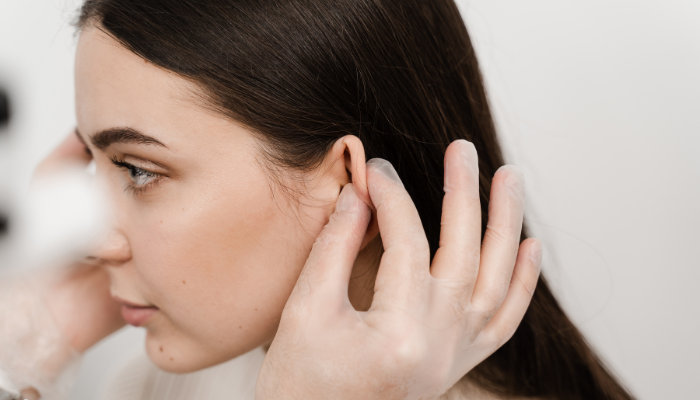
The day of surgery is usually straightforward for otoplasty patients. You’ll arrive at the surgery center, review final details, and prepare for the procedure. Once anesthesia is administered, ear surgery begins.
Most otoplasty procedures take one to two hours. After surgery, your ears are bandaged to protect the cartilage and support healing. Patients typically return home the same day.
Your surgeon will review post-surgery instructions before discharge. These instructions are important for protecting your ears and supporting proper recovery.
Recovery After Ear Pinning Surgery
Recovery after otoplasty is usually manageable for both children and adults. Some swelling, bruising, and mild soreness around the ears are expected during the first few days. Pain is typically controlled with prescribed or over-the-counter medication.
During the early recovery period, your surgeon will give you specific surgery instructions. These instructions are designed to protect the ears while the cartilage heals in its new position. Following them closely helps support optimal otoplasty results.
Most patients are advised to:• Wear a protective headband, especially at night• Avoid sleeping on the ears or head• Keep the incision area clean and dry
Sutures are usually placed internally and do not require removal.
Wearing a Headband and Protecting the Ears
A headband plays an important role during otoplasty recovery. It helps keep the ears positioned correctly while reducing the risk of accidental bending or trauma. Both children and adults are typically asked to wear it during sleep.
The headband is usually worn for several weeks, depending on healing progress. Dr. Derderian provides guidance on when it’s safe to reduce or stop use. Wearing it as instructed helps protect the surgical procedure results.
During this time, it’s also important to avoid contact sports or activities that could impact the ears. Gentle daily movement is usually fine once approved by your surgeon.
When You Can Return to School, Work, and Activities
Most otoplasty patients return to school or work within one week. Children often resume classroom activities quickly, as long as physical play is limited. Adults working non-physical jobs usually feel comfortable returning within days.
Strenuous exercise and sports should be avoided for several weeks. This helps protect the ear cartilage while it stabilizes. Your surgeon will let you know when it’s safe to resume full activity.
Dr. Derderian monitors recovery progress during follow-up visits. These appointments help ensure healing is on track and that ears are settling into their final position.
Otoplasty Results and Long-Term Changes
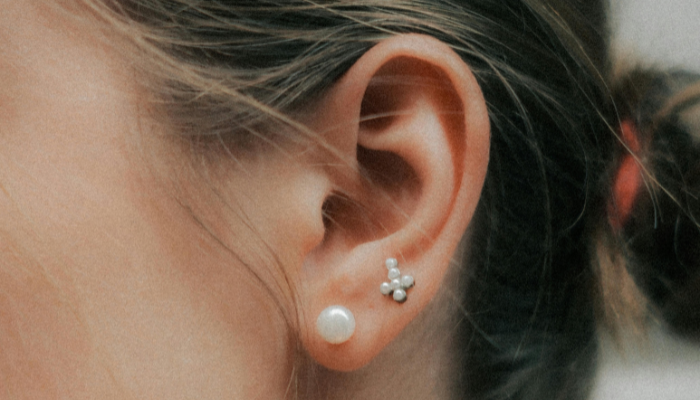
As swelling subsides, otoplasty results become more noticeable. The ears sit closer to the head and appear more balanced with facial features. Most patients find the change looks natural rather than obvious.
Final results continue to refine over several months. While the ears will continue to age naturally, the corrected position achieved through otoplasty surgery is considered permanent.
For many patients, the emotional impact is just as meaningful as the physical change. Feeling less aware of your ears can improve confidence in both social and professional settings.
Understanding Risks and Safety
Like all cosmetic surgery, ear surgery carries some risks. These may include infection, bleeding, asymmetry, or changes in sensation. Choosing an experienced facial plastic surgeon helps reduce these risks.
Dr. Derderian discusses potential risks during your otoplasty consultation. He also explains how careful surgical technique and proper recovery care support safety. Most otoplasty patients heal without complications.
Following surgery instructions and attending follow-up visits are key. These steps help identify any concerns early and support a smooth recovery.
Frequently Asked Questions
What is the difference between ear pinning and otoplasty?
Ear pinning is a common term used by patients. Otoplasty is the medical term for the surgical procedure that reshapes ear cartilage.
Is otoplasty only for children?
No, both children and adults can be otoplasty patients. Many adults choose ear surgery later in life to address long-standing concerns.
Will there be visible scars after ear surgery?
Incisions are usually placed behind the ears. Once healed, visible scars are typically minimal and well concealed.
Is general anesthesia required?
General anesthesia is commonly used, especially for children. Some adults may also undergo local anesthesia depending on the procedure.
How long does otoplasty recovery take?
Initial recovery takes about one to two weeks. Full healing and final results continue to develop over several months.
Are otoplasty results permanent?
Yes, otoplasty results are considered permanent. The reshaped cartilage maintains its new position long term.
Can ear surgery correct deformities or asymmetry?
Yes, cosmetic ear surgery can address deformities, asymmetry, protruding ears, and large ears. Each procedure is customized to the patient.
Dr. Derderian in Dallas Texas is renowned otoplasty specialist. We invite you to book a consultation to learn more about ear pinning surgery in Dallas TX.