
You’ve probably heard people talk about starting Botox early—or waiting until wrinkles show up. It can feel a bit confusing. Should you begin in your 20s as a preventative step, or hold off until your 30s or 40s when lines become more noticeable? The truth is, timing does matter—but not in the way you might think.
It’s less about hitting a specific age and more about what your skin is doing right now. Botox, along with other neuromodulators, is designed to address dynamic wrinkles caused by repeated facial expressions. That means the “right time” often depends on your muscle movement, skin elasticity, and personal goals for non-surgical rejuvenation.
Let’s break it down by decade so you can get a clearer picture of what makes sense for you.
Botox in Your 20s: Preventing Dynamic Wrinkles Before They Start
In your 20s, your skin still has strong collagen production and elasticity. Fine lines may not be visible at rest, but you might notice faint creases when you smile, frown, or raise your brows. These are dynamic wrinkles—the early signs that repeated muscle movement is starting to leave a mark.
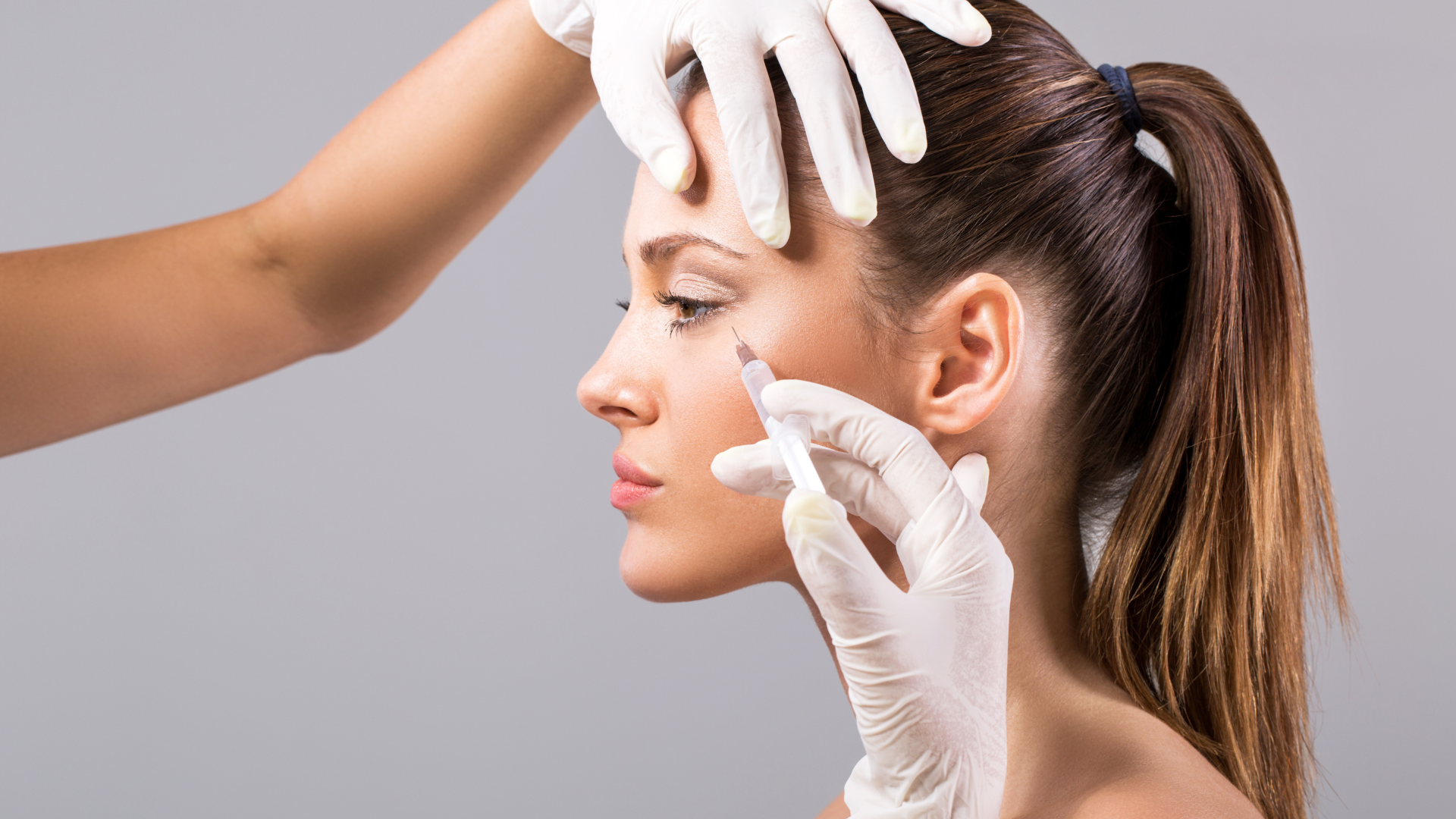
Preventative Botox (often called “baby Botox”) is all about softening those movements before lines become etched into your skin. Instead of freezing expression, small, precise doses help train facial muscles to relax slightly, which can delay wrinkle formation over time. You might consider Botox in your 20s if you:
Notice forehead lines or crow’s feet when making expressions
Have strong facial muscles that crease easily
Want subtle, natural-looking wrinkle prevention
Are focused on long-term anti-aging treatments
The goal here isn’t dramatic wrinkle reduction—it’s maintenance. Think of it as a proactive approach to facial aesthetics rather than a corrective one.
Neuromodulators in Your 30s: Early Wrinkle Reduction and Maintenance
By your 30s, collagen production begins to slow down, and those dynamic wrinkles may start to linger even when your face is at rest. This is when many people turn to neuromodulators like Botox for both prevention and correction.
Anti-wrinkles injections in your 30s often focus on smoothing fine lines while preserving natural movement. You’re not trying to erase your expressions—you’re refining them. Popular treatment areas include the forehead, frown lines (the “11s”), and crow’s feet. At this stage, Botox can:
Soften visible expression lines
Prevent fine lines from becoming deeper static wrinkles
Enhance a refreshed, well-rested appearance
Complement other treatments like dermal fillers or skincare routines
Consistency matters more than quantity here. Regular treatments spaced out over time can help maintain smoother skin without looking overdone.
Botox in Your 40s: Smoothing Deeper Dynamic Wrinkles
In your 40s, skin changes become more noticeable. You may see a combination of dynamic wrinkles and static lines (those that stick around even when your face is relaxed). Botox is still incredibly effective, but the approach shifts slightly.
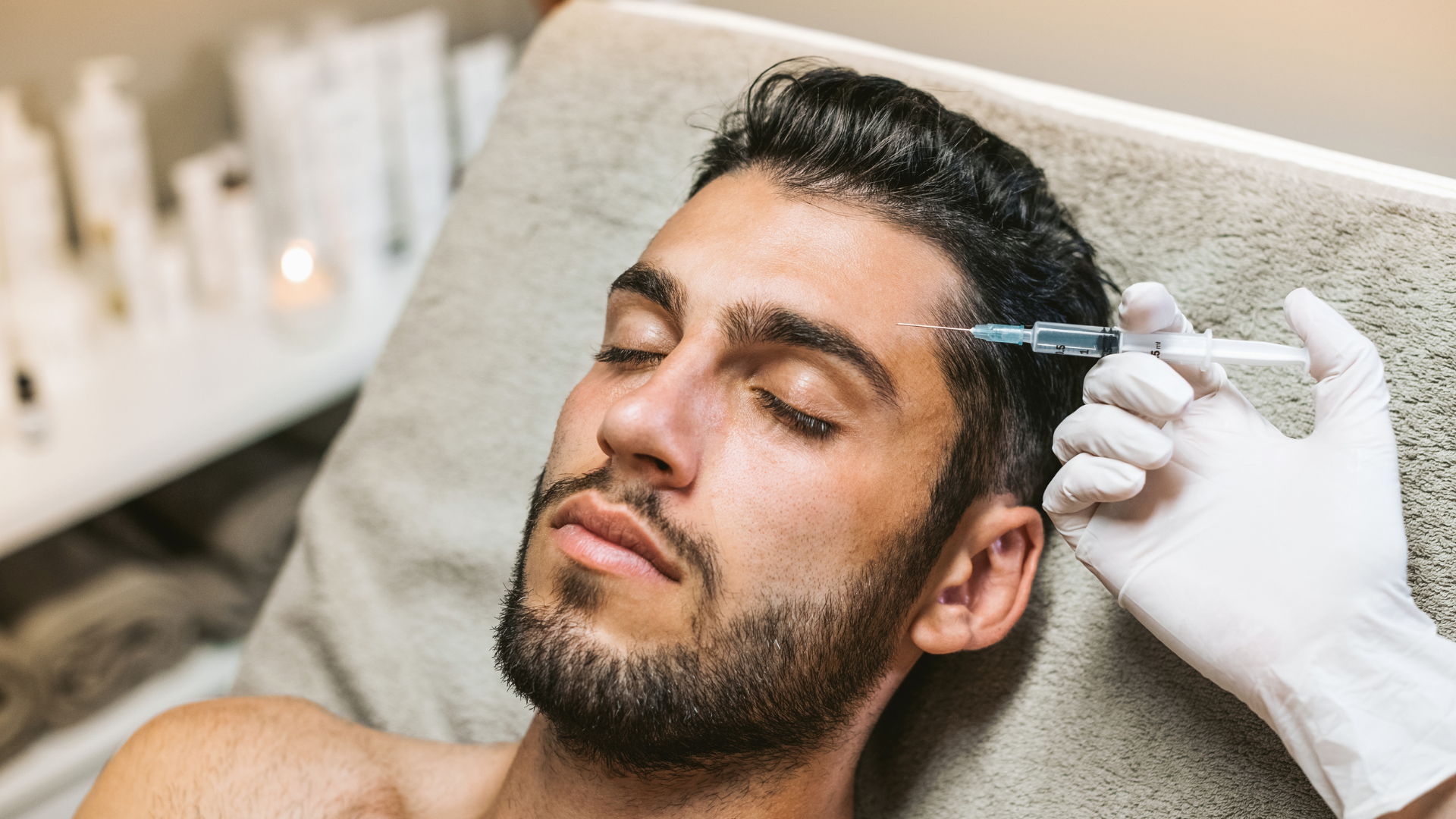
Instead of prevention alone, the focus is now on wrinkle reduction and softening deeper creases. You may also pair Botox with other non-surgical rejuvenation treatments for more comprehensive results. In your 40s, Botox can help:
Relax deeper forehead lines and frown lines
Minimize crow’s feet around the eyes
Improve overall facial balance and symmetry
Create a smoother, more youthful appearance without surgery
While Botox won’t replace lost volume or tighten significant skin laxity, it plays a key role in maintaining a refreshed look when used strategically.
Anti-Wrinkles Injections: How Timing Impacts Results
One of the biggest misconceptions is that starting Botox earlier means you’ll need more of it later. That’s not necessarily true. In fact, early use of neuromodulators can sometimes reduce the need for more intensive treatments down the road.
Timing affects how your muscles behave over time. When you begin treating dynamic wrinkles early, you’re essentially training those muscles to contract less aggressively. This can slow the progression of deeper lines. On the flip side, starting later doesn’t mean Botox won’t work—it just means the treatment may focus more on softening existing wrinkles rather than preventing them. Either way, results depend on:
Muscle strength and facial movement patterns
Skin quality and collagen levels
Lifestyle factors like sun exposure and skincare habits
Consistency of treatments over time
So yes, timing matters—but it’s not about being “early” or “late.” It’s about being appropriate for your skin’s needs.
Non-Surgical Rejuvenation Across Different Age Groups
Botox is one of the most popular non-invasive cosmetic treatments for a reason. It fits seamlessly into a broader non-surgical rejuvenation plan, regardless of your age. In your 20s, it pairs well with preventative skincare like SPF and antioxidants.
In your 30s, it works alongside treatments that support collagen stimulation, such as microneedling or light-based therapies. In your 40s, it often becomes part of a more comprehensive approach that may include dermal fillers, laser treatments, or skin tightening procedures. Across all age groups, Botox offers:
Minimal downtime and quick treatment sessions
Gradual, natural-looking results
Customizable dosing based on your goals
A non-permanent option that can be adjusted over time
This flexibility is what makes Botox such a cornerstone in modern aesthetic medicine.
Wrinkle Reduction vs. Prevention: What You Should Know
There’s a subtle but important difference between preventing wrinkles and reducing them. In your 20s, Botox is mostly preventative. In your 30s, it’s a mix of prevention and correction. By your 40s, it leans more toward wrinkle reduction. That doesn’t mean prevention stops—it just becomes part of a broader strategy.
Understanding where you fall on that spectrum helps set realistic expectations. Botox works best on dynamic wrinkles caused by muscle movement. For static wrinkles, it may soften their appearance, but additional treatments might be needed for optimal results. The key is tailoring your approach to your current skin condition rather than your age alone.
Dynamic Wrinkles and Facial Movement: Why They Matter
Dynamic wrinkles are at the heart of why Botox works. Every time you smile, squint, or frown, your facial muscles contract. Over time, those repeated movements create lines in the skin. Botox temporarily relaxes those muscles, reducing the intensity of these contractions. This leads to smoother skin and fewer visible lines. Common areas affected by dynamic wrinkles include:
Horizontal forehead lines
Glabellar lines between the eyebrows
Crow’s feet around the eyes
Bunny lines on the nose
Chin dimpling or neck bands
By targeting these areas, Botox helps maintain a more youthful and relaxed appearance without changing who you are or how you express yourself.
So, Does Timing Really Matter?
It does—but not in a one-size-fits-all way. The “right time” to start Botox is when you begin to notice dynamic wrinkles or when you want to take a preventative approach to aging. Your 20s, 30s, and 40s all come with different skin concerns, and Botox can be adapted to meet each one.
Instead of focusing on age alone, think about your goals. Are you trying to prevent fine lines? Soften existing wrinkles? Maintain a refreshed look? Once you know that, the timing becomes much clearer.
FAQs About Botox, Neuromodulators, and Anti-Wrinkles Injections
1. Is it too early to start Botox in my 20s?
Not necessarily. If you’re noticing dynamic wrinkles or want to prevent them, starting in your 20s can be a strategic choice.
2. Will I look frozen if I start Botox in my 30s?
No. When done properly, Botox softens expressions without eliminating them. The goal is natural-looking results.
3. Does Botox still work well in your 40s?
Absolutely. It’s highly effective for smoothing dynamic wrinkles and softening deeper lines.
4. How often do you need Botox treatments?
Most people schedule treatments every 3 to 4 months, depending on how their muscles respond.
5. Can Botox prevent wrinkles completely?
It can significantly delay the formation of deeper lines, but it won’t stop aging altogether.
6. What’s the difference between Botox and other neuromodulators?
They work similarly by relaxing muscles, but they may vary slightly in formulation, onset, and duration.
7. Is there downtime after anti-wrinkles injections?
Downtime is minimal. Most people return to normal activities the same day.
8. Can Botox be combined with other treatments?
Yes, it’s often paired with dermal fillers, skincare, and other non-surgical rejuvenation treatments for enhanced results.
Dr. Derderian is renowned plastic surgery specialist. We invite you to book a consultation to learn more about non-surgical rejuvenation in Dallas TX.